
Condensation Problems & Solutions
Condensation on windows in winter, damp ceilings or moisture on bedroom walls? HB Damp Proofing helps homeowners investigate condensation issues and understand the likely causes.
Condensation assessments and advice across Hull, Barton-upon-Humber, Scunthorpe, Grimsby, Brigg and the wider Humber area.
Common Condensation Problems in Your Home
Condensation occurs when moist air cools against a surface and water vapour turns into droplets. It is especially noticeable on cold windows, ceilings and external walls during winter.
Repeated condensation can damage finishes and contribute to mould growth, but not every damp patch is condensation. Leaks, penetrating damp and other building defects can cause similar symptoms.
Explore six common condensation issues below. Each situation needs the right diagnosis before choosing a remedy.
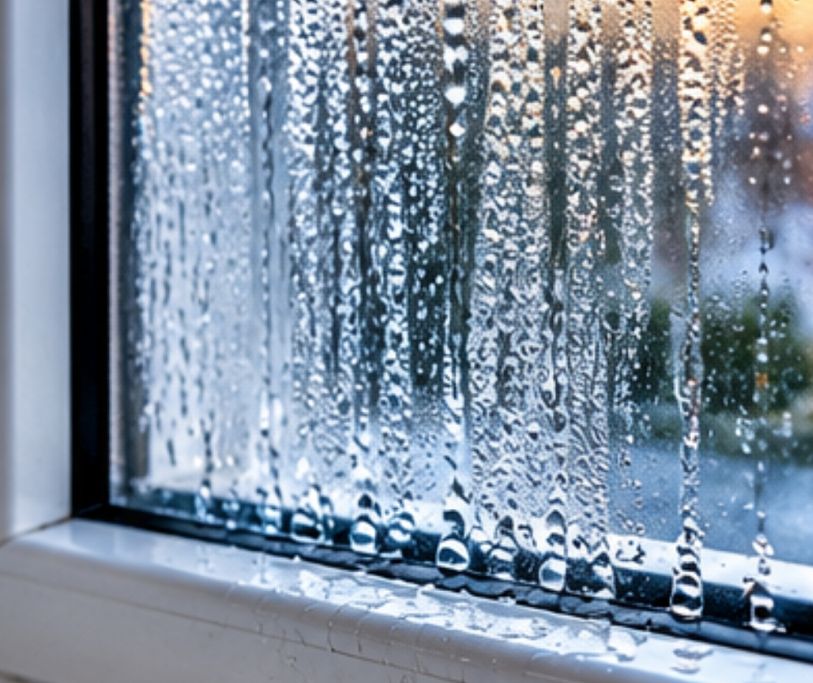
Condensation on Windows
Condensation on windows in winter is common when warm, moisture-laden indoor air meets cold glass. Droplets often appear overnight and may collect on sills and frames.
Persistent moisture can damage paintwork, window surrounds and nearby timber. Wiping away water helps protect surfaces, but the cause may involve humidity, ventilation, heating or glazing performance.
We can assess recurring condensation problems and discuss practical ways to manage moisture in homes around Hull and North Lincolnshire.
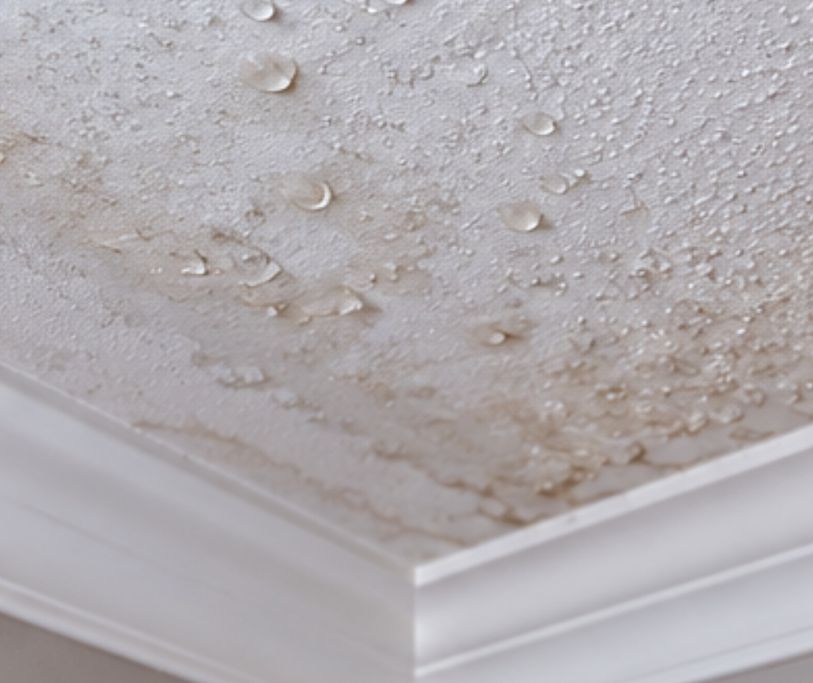
Condensation on Ceilings
Water droplets, staining or damp patches on ceilings can sometimes result from condensation, especially near cold roof spaces, thermal bridges and poorly ventilated bathrooms.
However, a roof leak or plumbing problem can look similar. Identifying the source matters before applying paint or carrying out repairs.
A property assessment considers ventilation, indoor moisture, insulation and possible water ingress to guide suitable next steps.
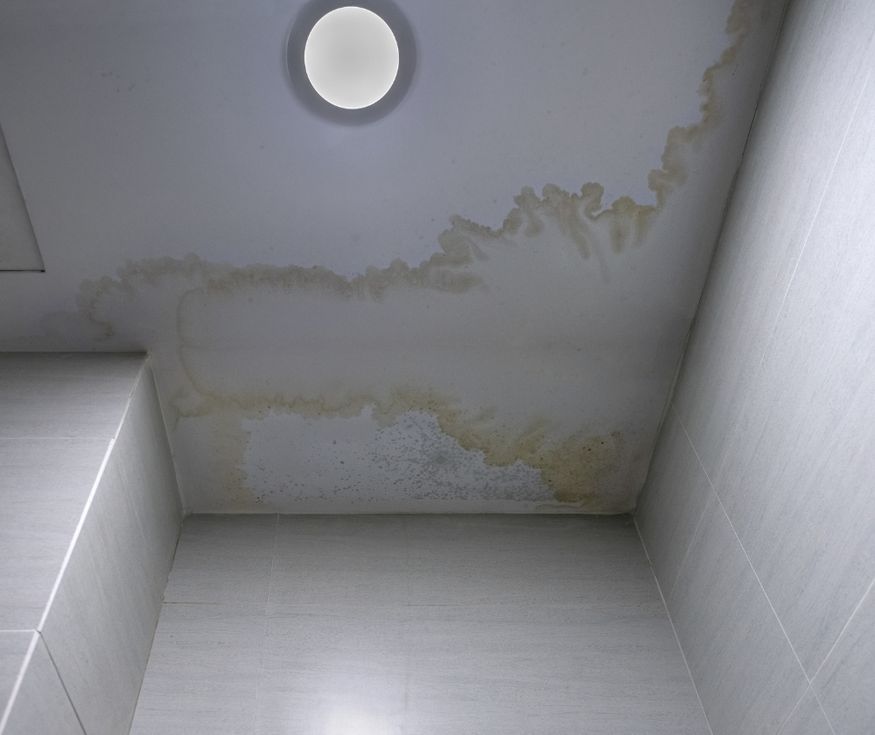
Condensation in the House
Condensation problems in a house may show as streaming windows, damp corners, musty smells or recurring moisture on cold surfaces.
Everyday activities such as cooking, showering and drying clothes indoors add water vapour. Limited extraction, cold rooms and restricted airflow can allow that moisture to build up.
We look at the pattern of moisture and likely causes rather than recommending a one-size-fits-all treatment.
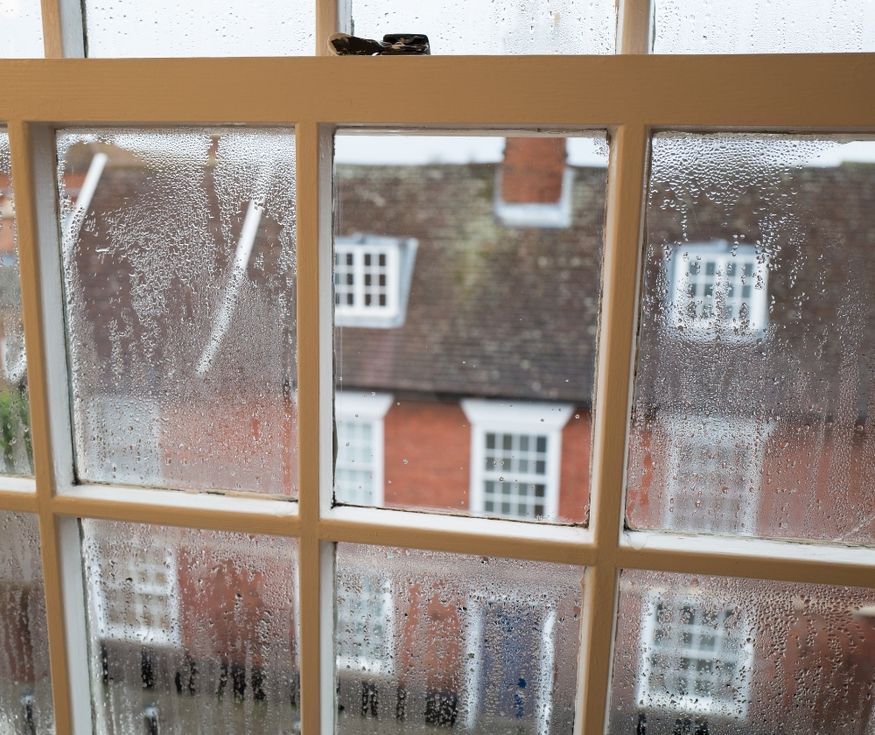
Condensation on Bedroom Walls
Bedrooms can develop condensation behind wardrobes, along external walls and in corners where air circulation is poor.
Cold surfaces and overnight humidity may contribute, but penetrating damp or other defects should be ruled out where staining persists.
Targeted advice may include improving airflow, maintaining suitable heating and checking insulation or ventilation where appropriate.
Skylight & Roof Window Condensation
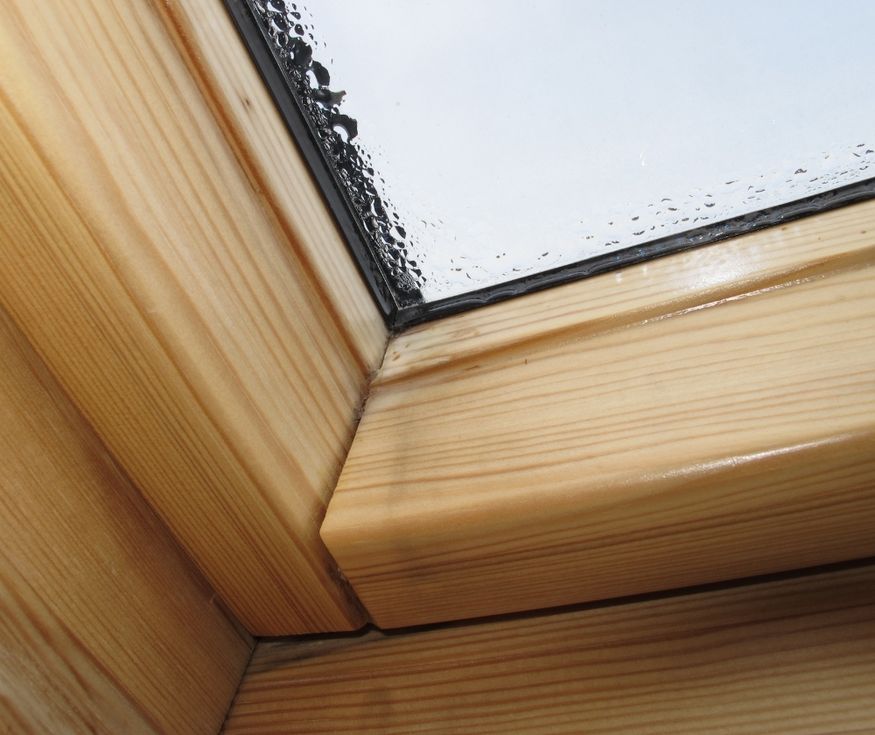
Skylight condensation often appears when humid indoor air meets cold roof glazing or surrounding frames, especially in bathrooms, kitchens and loft conversions.
Water running down a skylight can stain reveals or damage nearby finishes. Faulty seals, leaks and insulation defects can also create moisture symptoms.
The right solution depends on confirming whether the moisture is surface condensation or water entering from outside.
Condensation on Metal Roofs & Cold Surfaces
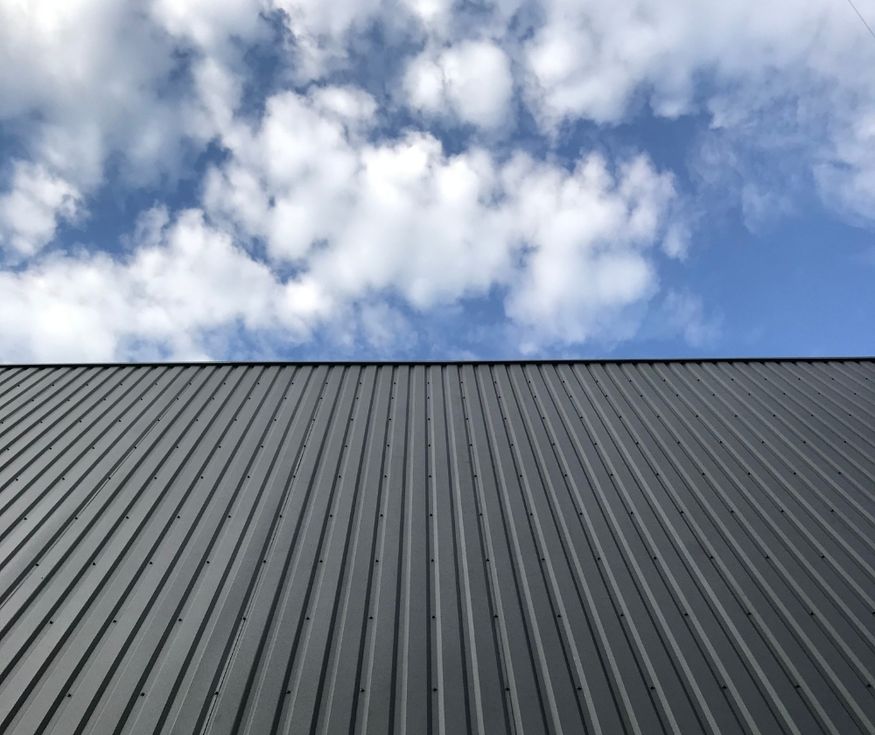
Condensation on metal roofs and other cold surfaces can form when humid air contacts metal below the air's dew point. This may affect garages, outbuildings and some commercial spaces.
Insulation, vapour control and ventilation need to be considered together; spray foam is not automatically the right answer and can introduce risks if specified incorrectly.
We can discuss the symptoms and whether a specialist roof or building-envelope assessment is needed.
What Causes Condensation in Houses?
Condensation issues are often more noticeable in winter because windows, ceilings and external walls are colder. Cooking, bathing, breathing and drying laundry indoors all increase humidity, while insufficient extraction or airflow can allow moisture to remain in the property.
Cold bridges, gaps in insulation, underheated rooms and furniture placed tightly against external walls can also encourage droplets to form. Condensation on a ceiling or window does not automatically mean a leak, but leaks and other damp defects must be ruled out where symptoms suggest them.
Managing condensation may involve appropriate extractor fans, ventilation, consistent heating, reducing excess indoor moisture and addressing cold surfaces. The best combination depends on the building and how it is used.
Need Help With Condensation Issues?
Are your windows streaming with water in winter, or are you seeing moisture on ceilings and bedroom walls? Contact HB Damp Proofing to discuss the problem and arrange an assessment where appropriate.
We cover Hull, Barton-upon-Humber, Scunthorpe, Grimsby, Brigg and nearby areas across North Lincolnshire and the Humber. We can help investigate the likely source of moisture and explain practical next steps.
Why do I get condensation on windows in winter?+
Cold glass cools the air next to it, causing water vapour to form droplets. Higher indoor humidity, limited ventilation and low surface temperatures can make the problem worse. Persistent water should be wiped away and the underlying conditions checked.
How can I stop condensation problems in my house?+
Start by using kitchen and bathroom extraction, avoiding unnecessary indoor moisture, maintaining suitable heating and allowing air to circulate. If the problem continues, investigate ventilation, insulation, cold bridging and possible water ingress before spending money on treatment.
What causes condensation on a ceiling?+
Ceiling condensation may occur where warm humid air meets a cold ceiling, often near poorly insulated roof areas or thermal bridges. Roof leaks and plumbing leaks can look similar, so the source should be checked rather than assumed.
Is skylight condensation normal?+
Some condensation can occur on cold skylight glazing during humid weather, particularly in winter. Repeated heavy moisture, staining around the reveal or water appearing during rain may need closer inspection for ventilation, insulation or leak issues.
Can condensation form on a metal roof?+
Yes. Metal can cool rapidly, allowing moisture in the air to condense underneath it. Appropriate ventilation, insulation and vapour control may help, but the roof build-up should be assessed before adding materials such as spray foam.
Do you help with condensation in Hull, Scunthorpe and Grimsby?+
HB Damp Proofing welcomes enquiries about condensation problems in Hull, Barton-upon-Humber, Scunthorpe, Grimsby, Brigg and nearby Humber communities. Call 07782 515109 to discuss the symptoms and confirm availability.