
PIV Units & Positive Input Ventilation
Looking for a PIV unit to help manage condensation and improve airflow at home? Positive input ventilation introduces filtered air into a property to encourage the movement of stale, moisture-laden air.
HB Damp Proofing can discuss suitable home ventilation options across Hull, Barton-upon-Humber, Scunthorpe, Grimsby, Brigg and the Humber region. System suitability and installation requirements depend on your property.
PIV Units & Home Ventilation Options
A positive input ventilation (PIV) system supplies a gentle, continuous flow of filtered air, commonly from a loft-mounted unit through a ceiling diffuser. The incoming air helps dilute indoor moisture and pollutants while encouraging existing air to leave through available ventilation routes.
Different properties need different solutions. Loft suitability, existing extractor fans, heating, insulation and any leaks should all be considered before specifying a PIV unit.
Explore six common PIV unit and ventilation searches below, including heated systems and well-known product ranges. Brand examples are provided for comparison, not as a claim that HB Damp Proofing stocks or installs any particular model.
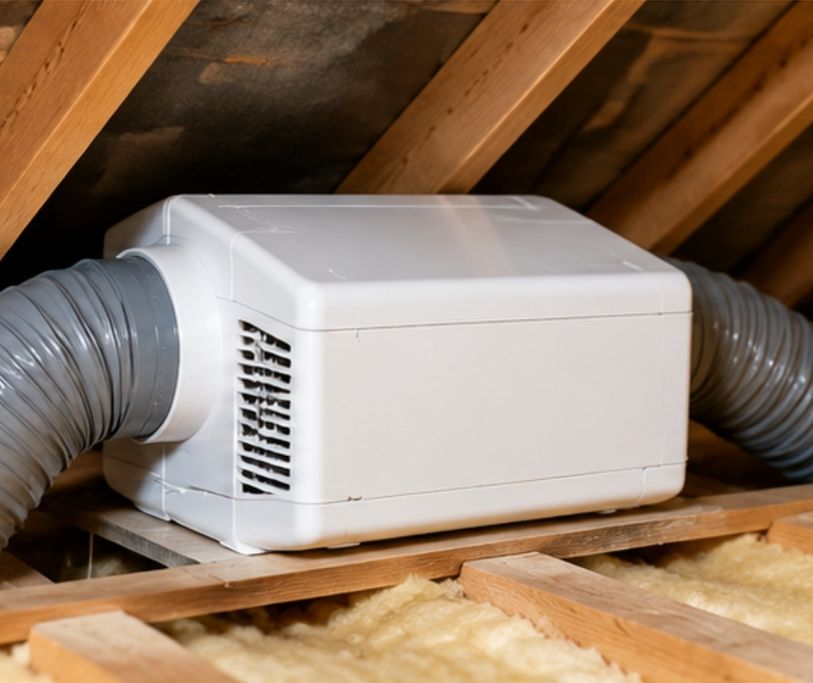
PIV Unit: What Is It?
A positive input ventilation (PIV) unit supplies a steady flow of filtered air into a home, typically from a loft-mounted fan and ceiling diffuser. This can help dilute humid indoor air and encourage air movement through the property.
A PIV unit may be useful where condensation is linked to insufficient whole-house ventilation. The property still needs appropriate air paths and working kitchen and bathroom extraction.
Suitability should be checked before installation, particularly in homes with no suitable loft or with existing damp defects.
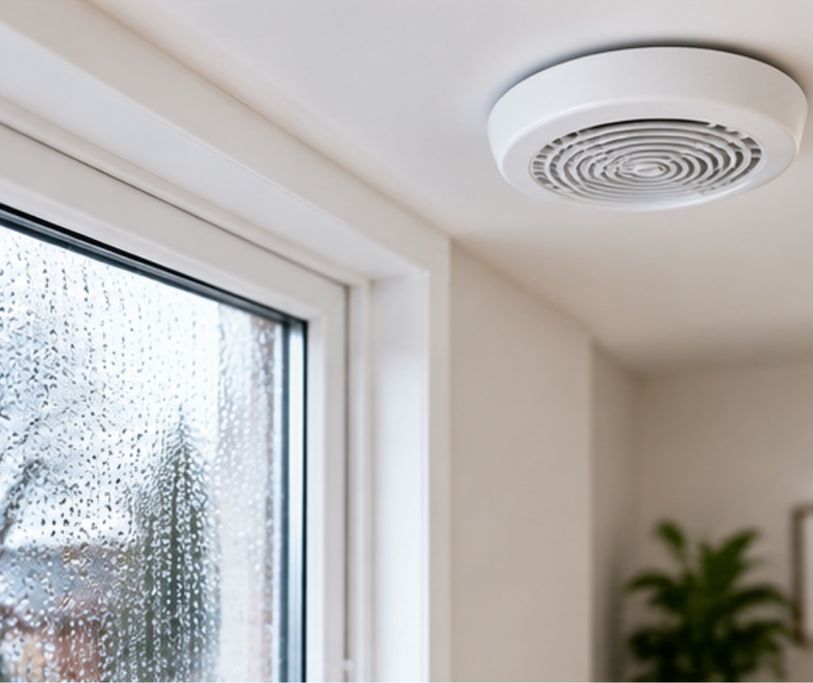
Positive Input Ventilation System
A positive input ventilation system is designed to provide background air supply throughout the home. The airflow is normally low and continuous, rather than a powerful burst like a bathroom extractor.
The system can help manage moisture build-up, stale air and some indoor pollutants when correctly specified and maintained. Filters need periodic attention, and performance depends on the building.
It will not repair a leak or replace essential extract ventilation. An assessment helps identify the underlying cause of damp patches.
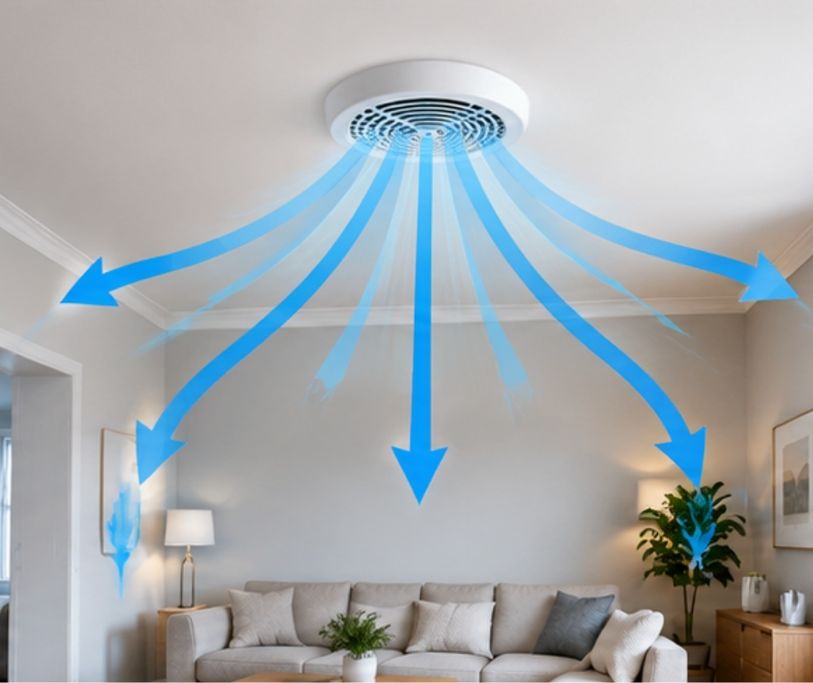
PIV Ventilation for Condensation
PIV ventilation is often considered for recurring condensation on windows, cold walls and bedrooms. Introducing filtered air may lower indoor humidity when adequate routes exist for air to leave.
Results vary with occupancy, heating, insulation, external humidity and other ventilation. Surface mould may also require cleaning and the original moisture issue addressing.
Where staining comes from penetrating damp or a plumbing leak, PIV alone will not solve the problem.
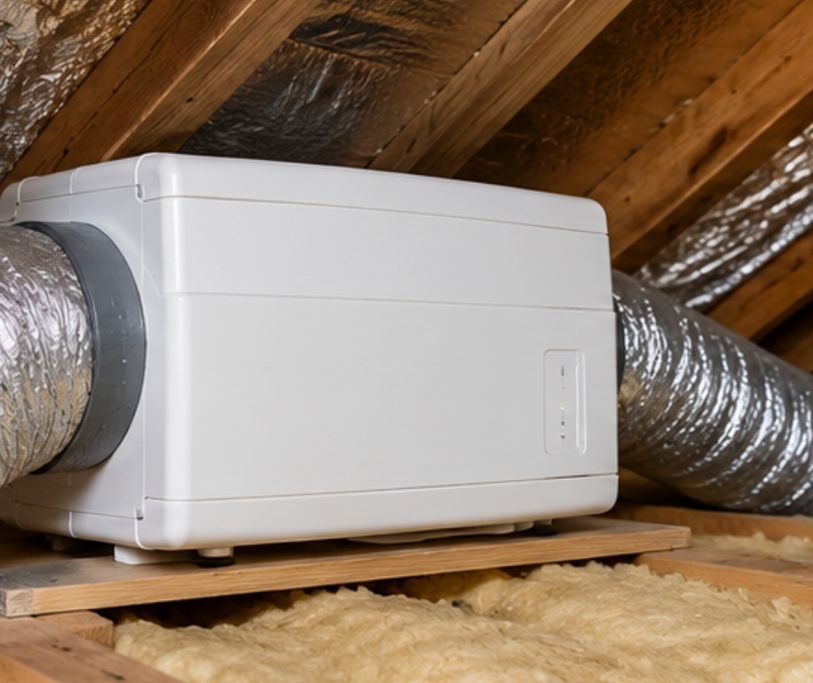
PIV Unit with Heater
Some PIV units include an electric heater to temper the incoming supply air in cold weather. This can improve comfort by reducing the sensation of a cool draught at the diffuser.
A heater adds electrical consumption when operating. It is intended to temper ventilation air, not heat the entire house, and running costs depend on model, settings and usage.
Ask about heater controls, energy use, filter access and suitable positioning before choosing a system.
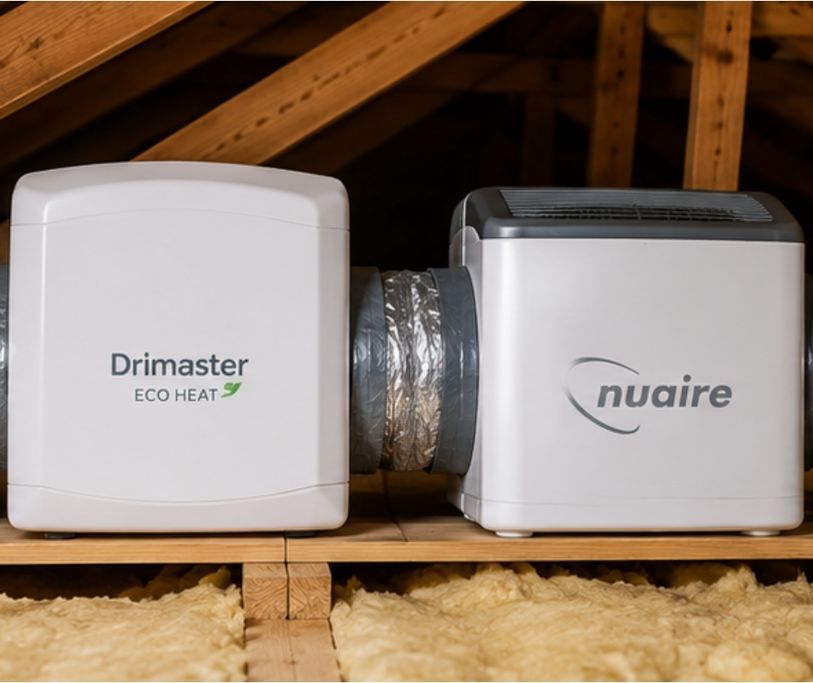
Nuaire PIV & Drimaster Eco Heat
Nuaire is a manufacturer associated with the Drimaster range of positive input ventilation products. Searches for Nuaire PIV and Drimaster Eco Heat often relate to loft-mounted systems with filtered airflow and optional air tempering.
Features differ by exact model, including controls, heater options and installation requirements. Compare current manufacturer specifications before selecting a unit.
HB Damp Proofing can discuss the ventilation problem; confirm directly whether a particular Nuaire model is supplied or installed.
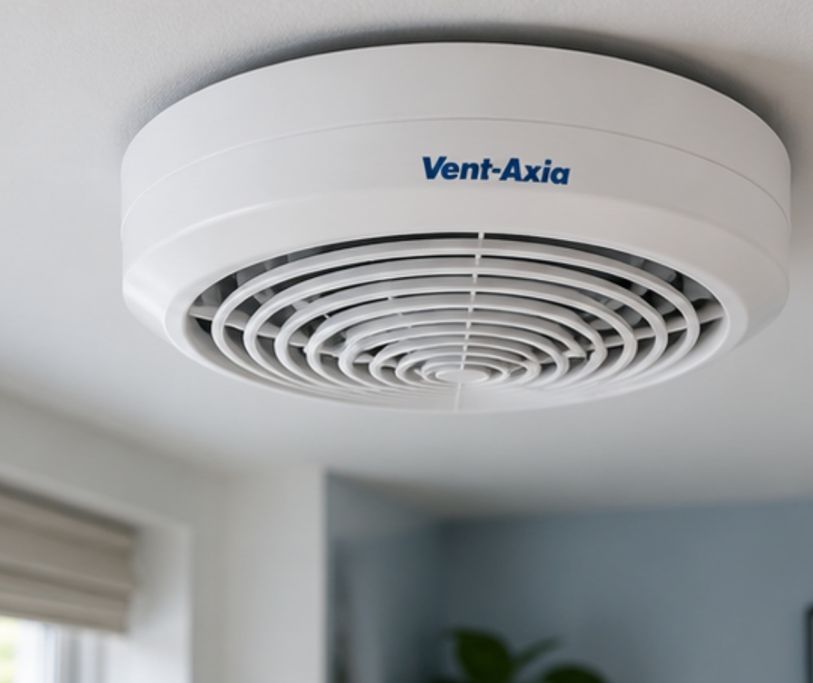
Vent-Axia PIV Systems
Vent-Axia is another established ventilation manufacturer with positive input ventilation products. Homeowners often compare Vent-Axia PIV options with other loft-mounted and wall-mounted systems.
The best option depends on whether the property has suitable loft space, the available air source, required airflow and controls. Noise, servicing access and running costs are worth checking.
A brand name alone does not establish suitability; seek a property-specific recommendation and verify the exact product specification.
How Does a Positive Input Ventilation System Work?
A PIV ventilation unit typically draws air from the loft or, with some systems, directly from outside. The air is filtered and gently supplied to the home, helping reduce the concentration of water vapour produced by cooking, bathing and drying clothes.
Correctly designed PIV can help reduce condensation in suitable homes, but it is not a cure for leaking roofs, rising damp, penetrating damp or inadequate local extraction. A heater-equipped unit may temper incoming air, but it is not a substitute for central heating.
The right specification depends on the building layout, air paths, insulation, outdoor air conditions and occupants’ needs. Bathrooms and kitchens may still require effective extract ventilation.
Considering a PIV Unit for Your Home?
If your windows regularly stream with water, mould returns or rooms feel stuffy, improving ventilation may be part of the answer. HB Damp Proofing can discuss the symptoms and whether a PIV unit or another approach deserves consideration.
Enquiries welcome from Hull, Barton-upon-Humber, Scunthorpe, Grimsby, Brigg and nearby Humber communities. Call 07782 515109 to discuss your property and request a quote. Confirm product choice and installation availability directly with the team.
What is a PIV unit and how does it work?+
A PIV unit introduces a gentle, filtered air supply to a home, usually through a diffuser in the landing ceiling. The extra air helps dilute moisture and encourages stale air to escape through existing ventilation routes.
Can a PIV unit stop condensation and mould?+
A correctly selected PIV system may reduce condensation and help discourage mould associated with excessive indoor humidity. It cannot guarantee a mould-free home or fix leaks, penetrating damp, cold bridges or other defects.
What is the difference between PIV ventilation and an extractor fan?+
PIV provides background supply air to the property. Extractor fans remove moisture and odours at source, particularly in kitchens and bathrooms. They can complement each other rather than being direct substitutes.
Is a PIV unit with heater worth it?+
A heated PIV model can temper incoming air for comfort during colder weather. The heater uses additional electricity and is not intended to heat the house. Compare controls and running costs for the exact unit.
What about Nuaire Drimaster Eco Heat and Vent-Axia PIV?+
Nuaire and Vent-Axia are ventilation manufacturers offering PIV-related products. Models and features vary. Check current manufacturer specifications and ask HB Damp Proofing whether the particular product you are interested in can be supplied or installed.
Do you offer PIV enquiries around Hull and Scunthorpe?+
HB Damp Proofing welcomes home ventilation enquiries across Hull, Barton-upon-Humber, Scunthorpe, Grimsby, Brigg and nearby Humber areas. Call 07782 515109 to discuss your home and confirm installation availability.