
Mould in the house?
We have 20 years of experience in ridding houses of mould.
Having mould in the house can be potentially dangerous
Common Types of Mould in Houses
Finding mould in your house can be worrying, particularly when dark patches begin appearing on walls, ceilings or around windows. It’s a common problem in properties across the humber region, from older terraced houses to modern homes where condensation and inadequate ventilation allow moisture to build up.
Mould thrives in damp conditions, and while cleaning away visible patches might temporarily improve their appearance, the problem can return if the underlying source of moisture isn’t addressed. Understanding the different types of household mould, what causes them and where they’re likely to appear is the first step towards protecting your home.
Below, we look at three common appearances of mould found in homes and explain what could be causing them.
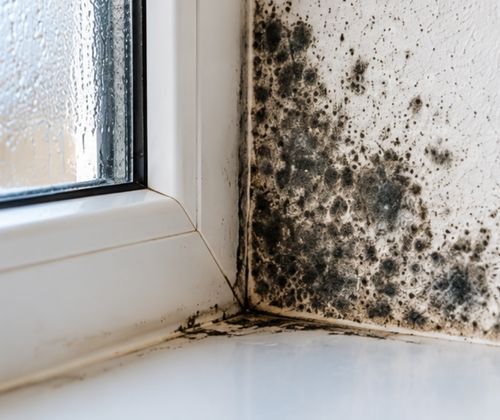
Black mould in House
Black mould is one of the most noticeable mould problems in homes. It typically appears as clusters of dark spots or spreading black patches around window frames, on bedroom walls, bathroom ceilings and behind furniture.
Condensation is a frequent cause, particularly when warm, moisture-filled air meets cold surfaces. However, black mould can also indicate leaking pipes, penetrating damp or other moisture problems.
If black mould keeps returning after cleaning, it’s important to identify the source of the moisture rather than simply painting over the affected area.
Common causes: Condensation, inadequate ventilation, cold external walls and water leaks.
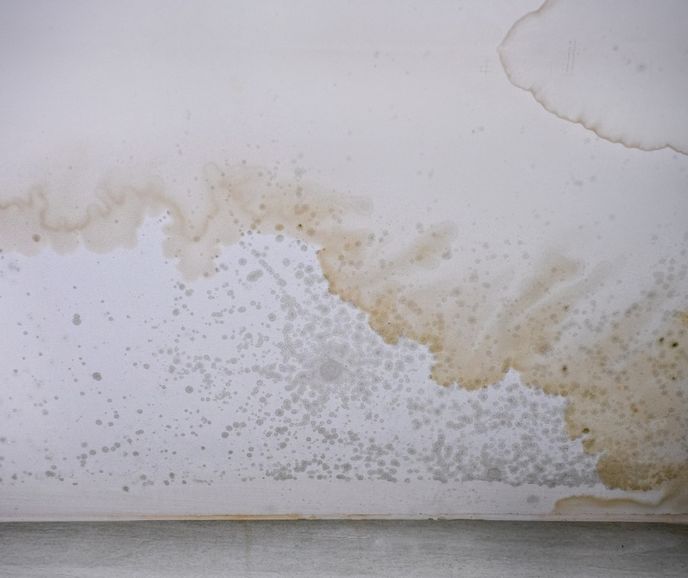
White mould issues
White mould can be harder to recognise because its pale appearance sometimes blends into painted walls and ceilings. It may develop a fluffy, powdery or slightly fuzzy texture, particularly in areas where moisture remains trapped.
In properties, it can appear behind wardrobes, inside cupboards, on timber and in rooms with limited airflow.
White mould should not be confused with efflorescence, a white crystalline salt deposit sometimes found on damp masonry. Correctly identifying the problem helps determine the most suitable treatment.
Common causes: High humidity, trapped moisture, leaking pipes and penetrating damp.
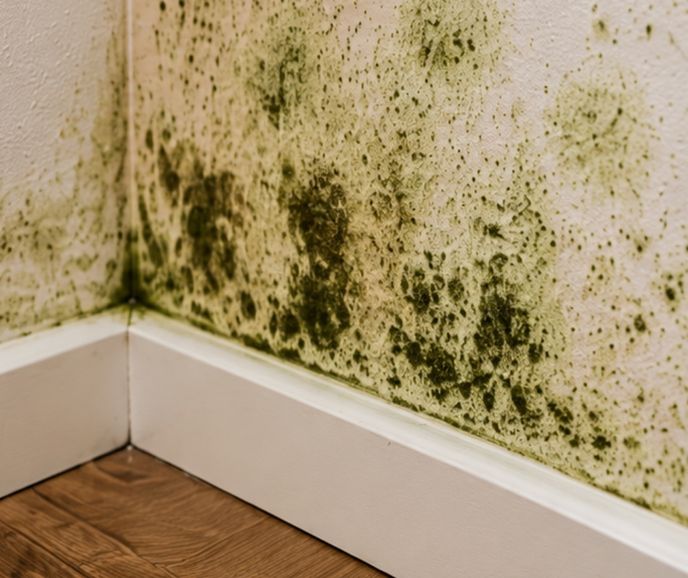
Green mould in the home
Green mould commonly appears as greenish or olive-coloured patches on walls, wallpaper, timber and other surfaces exposed to prolonged moisture.
It may develop around skirting boards, in poorly ventilated rooms or where water has entered through damaged brickwork, roofing or external walls.
Although smaller patches can initially seem harmless, recurring green mould can indicate an unresolved damp problem. Addressing the moisture source is essential to prevent further growth.
Common causes: Persistent dampness, condensation, poor ventilation and water ingress.
Why Does Mould Keep Appearing in My House?
If you’ve cleaned mould from your walls only to see it return a few weeks later, there’s usually an ongoing moisture problem that hasn’t been resolved.
In many homes, condensation builds up during colder months when windows remain closed and everyday activities such as cooking, showering and drying clothes indoors release moisture into the air.
Other causes include leaking gutters, damaged pointing, plumbing leaks, cold spots caused by inadequate insulation and penetrating damp.
The right solution depends on the cause. Improving ventilation may help with condensation, whereas a leaking roof or damaged external wall requires a different approach. A proper damp survey can help establish why mould is growing and what needs to be done to prevent it returning.
Need Help with Mould in Your House?
inIf you’re dealing with recurring mould, damp walls or persistent condensation, our experienced team can help identify the cause and recommend a suitable solution.
We provide damp and mould assessments for homeowners in Hull, Grimbsy, Barton, Brigg Scunthorpe and the entire Humber region, helping you understand the problem before deciding on treatment.
Why does mould keep coming back in my house? +
If mould keeps returning to your walls, ceilings or windows, it usually means the underlying moisture problem hasn’t been resolved. Cleaning visible mould may improve its appearance, but won’t necessarily prevent it growing again.
One of the most common causes of mould in homes is condensation. Warm, moisture-filled air meets colder surfaces, particularly during winter, creating the damp conditions in which mould can develop.
However, condensation isn’t always responsible. Leaking gutters, damaged brickwork, plumbing problems, inadequate insulation and penetrating damp can also contribute to recurring mould.
Is black mould in the house dangerous? +
Damp and mould in the home can affect health, particularly for children, older people and anyone with asthma, allergies or existing respiratory conditions.
Exposure to mould can cause or worsen symptoms such as coughing, wheezing, nasal irritation and breathing difficulties. Some people are more sensitive than others, and health risks are not limited to mould that appears black.
The colour of mould alone cannot reliably identify its species or determine how hazardous it may be. Any persistent indoor mould should be taken seriously.
How do I permanently get rid of mould on walls? +
Successfully treating mould involves more than removing the visible patches. The most important step is identifying why moisture is accumulating on or inside your walls.
Where condensation is responsible, improving ventilation, maintaining suitable indoor temperatures and reducing excess humidity can help prevent mould returning.
If the problem is caused by a leaking pipe, defective guttering, damaged masonry or penetrating damp, those defects need to be repaired before the affected surfaces can properly dry out.
Mould on porous materials such as plasterboard may require specialist remediation or replacement, depending on the extent of the damage.
Is mould caused by condensation or rising damp? +
Mould can develop because of condensation, penetrating damp, plumbing leaks or moisture entering a property through other defects. Rising damp is another possible moisture issue, but it should not be assumed to be the cause without proper investigation.
Condensation-related mould commonly appears around windows, on cold external walls, in ceiling corners and behind furniture where air circulation is restricted.
Rising damp generally affects the lower sections of ground-floor walls and may be associated with tide marks, damaged plaster or salt deposits. These signs are not conclusive on their own.
A professional damp survey can help distinguish between the different causes and avoid unnecessary or unsuitable treatments.
Can I sleep in a bedroom with mould? +
Sleeping in a bedroom affected by damp and mould may increase exposure to mould spores and other irritants over several hours. This can be particularly concerning for people with asthma, allergies or existing breathing difficulties.
The level of risk depends on factors such as the extent of the mould, ventilation, individual sensitivity and any existing health conditions.
If a bedroom has extensive mould growth, a strong musty smell or recurring damp patches, it is sensible to avoid using the affected room where practical until the problem has been assessed and addressed.
How much does professional mould treatment cost? +
The cost of professional mould treatment depends on the size of the affected area, the underlying cause and the work required to prevent the problem returning.
A small area of condensation-related mould may require relatively straightforward cleaning and improvements to ventilation. More extensive problems involving water ingress, damaged plaster or structural moisture may need additional repairs.
Because different moisture problems require different solutions, it is difficult to provide an accurate price without first understanding the condition of the property.