
Timber Treatment & Wet Rot Repair
Worried about rotten floor joists, soft timber or damp wood in your property? HB Damp Proofing helps homeowners investigate timber decay and find the right treatment or repair.
Timber treatment and wet rot assessments across Hull, Barton-upon-Humber, Scunthorpe, Grimsby, Brigg and the Humber region.
Common Timber Problems We Can Help With
Timber decay often starts where wood stays damp for long periods. A leaking pipe, poor subfloor ventilation, roof leak or moisture entering through masonry can affect floorboards, joists, skirting boards and roof timbers.
Wet rot treatment starts with finding and fixing the source of moisture. Some timber can be retained after suitable repairs and drying; severely decayed sections may need replacing. An inspection helps establish what is affected and whether the issue is wet rot, dry rot or another form of damage.
Below are three common timber problems found in properties across Hull, North Lincolnshire and the wider Humber area.
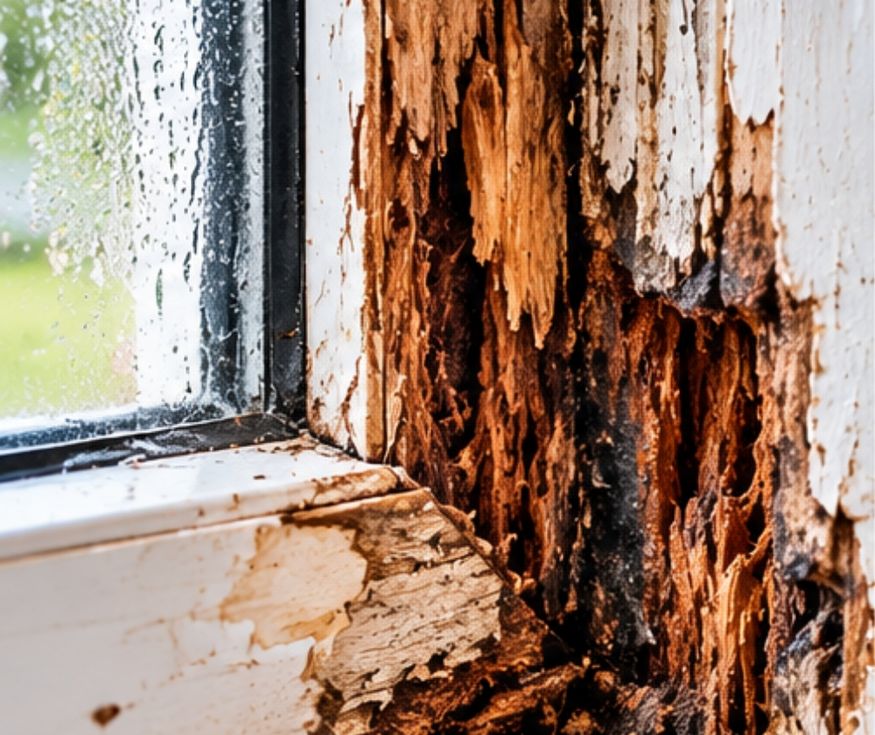
Wet Rot in Timber
Wet rot is a general term for fungal decay in timber exposed to prolonged moisture. It may cause wood to darken, soften, crack or lose strength, particularly near leaks or damp masonry.
Typical areas include skirting boards, window frames, floorboards and joist ends built into damp walls. The visible damage may be only part of the affected area.
The first step in wet rot treatment is locating and stopping the moisture source. Damaged timber is then assessed for repair or replacement, with appropriate treatment where needed.
Common causes: Plumbing leaks, rainwater ingress, damp walls and poor ventilation.
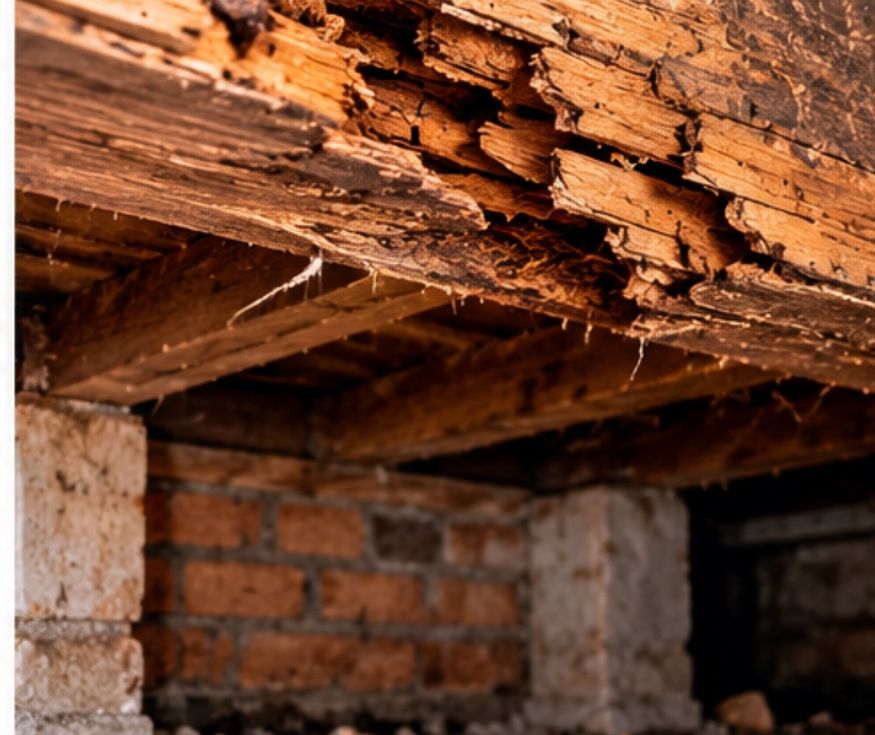
Rotten Floor Joists
Floor joists can deteriorate when moisture collects beneath suspended floors or where their ends meet damp brickwork. Warning signs may include bouncy floors, sagging or localised soft spots.
A damaged joist is not always visible without lifting floorboards or gaining access below the floor. A proper inspection helps determine how far the decay extends.
Repairs depend on the severity and location of damage. Localised repairs may be possible, but seriously weakened structural timber may require replacement or a designed structural repair.
Common causes: Restricted subfloor airflow, plumbing leaks, water ingress and damp joist bearings.
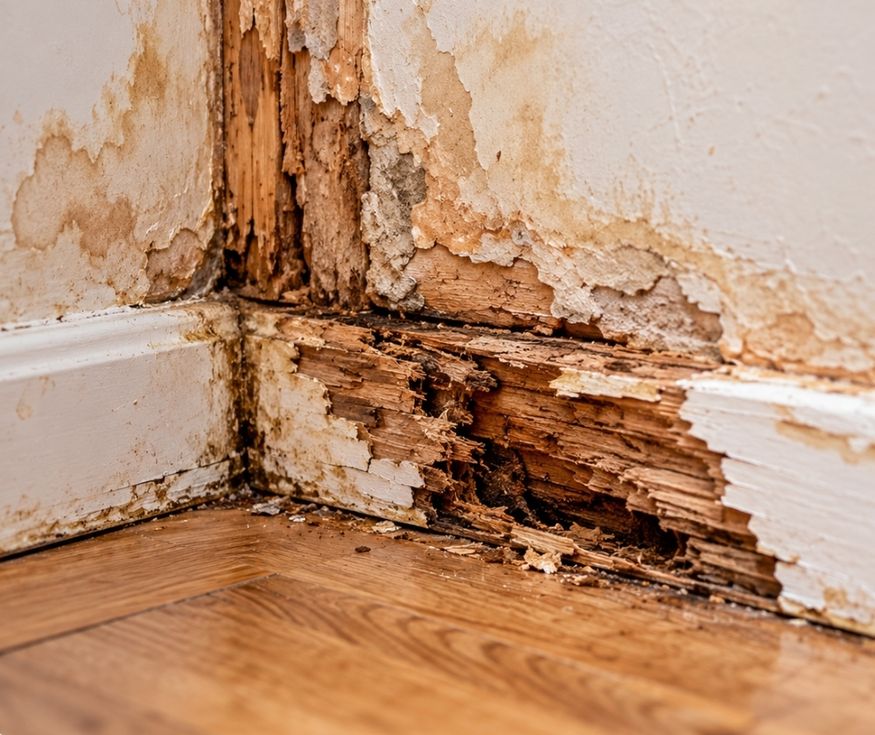
Timber Decay & Damp
Not all timber damage is wet rot. Moisture can also encourage other fungal decay, while wood-boring insects and historic damage can produce different symptoms.
Soft patches, surface staining, crumbling timber or holes should be assessed rather than treated on appearance alone. Wet rot and dry rot require different considerations, particularly where decay has spread into concealed areas.
Suitable timber treatment depends on accurate identification, moisture control and the strength of the remaining wood. Preservatives alone cannot restore lost structural strength.
Common causes: Persistent damp, roof defects, leaking pipes and poor airflow.
What Causes Wet Rot and Timber Decay?
Wet rot develops when timber remains sufficiently damp for wood-decaying fungi to grow. Common sources include leaking plumbing, defective gutters, roof leaks, damp masonry and inadequate ventilation beneath suspended timber floors.
Warning signs can include softened or crumbling wood, discolouration, a musty smell, flaking paint and floors that feel springy or uneven. Not every dark stain or squeaking floor indicates rot, so it is important to check the timber and surrounding moisture conditions before deciding on repairs.
Effective wet rot treatment tackles the water source first, then assesses whether affected wood can be retained, repaired or must be replaced. Where structural joists or beams are involved, appropriate structural assessment is essential. Simply applying preservative to wet, damaged timber will not solve an ongoing leak.
Need Wet Rot or Timber Treatment?
Concerned about rotten wood, damaged floor joists or timber affected by damp? Contact HB Damp Proofing to discuss the symptoms and arrange an assessment of the affected area.
We cover Hull, Barton-upon-Humber, Scunthorpe, Grimsby, Brigg and surrounding communities across the Humber region. We can help identify likely moisture sources and explain suitable next steps for timber treatment and repairs, based on the condition of your property.
What are the signs of wet rot in timber?+
Signs may include timber that feels soft or spongy, darkened or cracked wood, a musty smell and paint that blisters or flakes. Floorboards or joists may also feel weak. These signs are not conclusive on their own: an inspection should check moisture levels, the extent of decay and other possible causes.
How is wet rot treated?+
Wet rot treatment begins by finding and correcting the moisture source, such as a leaking pipe, defective gutter or poorly ventilated subfloor. The affected timber is inspected, allowed to dry where appropriate and assessed for repair or replacement. Suitable preservative treatment may be recommended in some circumstances, but it cannot restore timber that has lost strength.
Can rotten floor joists be repaired?+
Sometimes. The right approach depends on how much of the joist is damaged, where the decay occurs and whether the timber remains structurally sound. Local repairs or reinforcement may be possible, while more extensive decay can require replacement. Structural work should be assessed and specified by a suitably competent professional.
What is the difference between wet rot and dry rot?+
Both involve fungi that decay wood, but they differ in behaviour and the conditions in which they develop. Wet rot is generally associated with persistently damp timber. Dry rot can spread through concealed building fabric and requires careful investigation. The type of decay should be identified before deciding on treatment.
How much does timber treatment or wet rot repair cost?+
Costs depend on the size and accessibility of the affected area, the moisture source and whether any structural timber needs repairing or replacing. A small localised repair may be very different from work involving several floor joists. Contact HB Damp Proofing for an assessment and a quote based on the property.
Do you cover Hull, Barton, Scunthorpe, Grimsby and Brigg?+
HB Damp Proofing provides timber decay and wet rot enquiries and assessments across Hull, Barton-upon-Humber, Scunthorpe, Grimsby, Brigg and surrounding areas of North Lincolnshire and the Humber region. Call 07782 515109 to discuss your property and confirm availability.